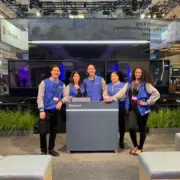
Your Live Event Staffing Plan
A clear staffing plan gives everyone working your live event the information they need to arrive prepared, understand their responsibilities, and support your guests.
Whether you’re organizing a conference, trade show, brand activation, or promotional event, start with the work that needs to happen. Then build your team, schedule, and communication plan around it.
Define the Roles Your Event Requires
List the responsibilities for each stage of the event: setup, guest arrival, peak activity, and breakdown.
Depending on your event, you may need:
- Brand ambassadors to engage guests, communicate your message, and support demonstrations.
- Registration staff to assist with check-in, credentials, and attendee questions.
- Wayfinding staff to direct guests throughout the venue.
- Hosts, performers, or mascot talent for presentations and audience interaction.
- Logistics staff to manage materials, inventory, setup, and breakdown.
- Team leads to coordinate staff and communicate with your event manager.
Define duties clearly. If someone will transport assets, operate equipment, or manage inventory, include those responsibilities when requesting staff.
Choose People Who Fit the Assignment
Relevant experience, communication skills, and reliability should guide staff selection.
An outgoing brand ambassador may be a strong fit for a public activation. A registration assignment may require someone who is comfortable with check-in technology and attentive to details. A team lead needs the judgment to manage changing priorities and resolve issues.
Share your audience, event goals, and role requirements with your staffing agency. For specialized assignments, explain any performance, product knowledge, language, or technical skills needed.
Our guide to choosing an event staffing agency covers questions to ask when evaluating a staffing partner.
Build Coverage Around the Schedule
The right staffing level depends on more than total attendance.
Consider how many stations must remain staffed, how long each guest interaction takes, and when demand will be highest. Registration may need heavier coverage at opening, while demonstrations may require additional support around scheduled sessions.
Account for:
- Staff check-in and pre-event briefings
- Setup and breakdown
- Opening and peak attendance periods
- Break coverage and shift changes
- Travel between assigned locations
- Training and equipment handoffs
Create a schedule showing each person’s role, location, start time, end time, and supervisor. Review it with your staffing agency before confirming the roster.
Agree on a Backup Plan
Discuss backup coverage in advance, especially for large teams, remote locations, or roles essential to the event.
Confirm whether backups will be onsite or available on call, how they will be contacted, and what charges apply. Establish who can authorize replacements or additional coverage.
The goal is a practical response to absences or changing demand. Backup staffing should be planned and budgeted according to the event’s needs.
Send Clear Arrival Instructions
Give staff one reliable source for the information they need before event day.
Include the venue address, entrance, parking or transit instructions, arrival time, and onsite contact. Explain whether staff need credentials and where they should collect badges, uniforms, or equipment.
Also confirm:
- Dress and footwear requirements
- Where personal belongings can be stored
- The check-in and timekeeping process
- Assigned duties and work locations
- Break arrangements
- End-of-shift check-out instructions
Ask staff to review the instructions and raise questions before arriving.
Prepare an Event Briefing
A briefing connects the schedule to the purpose of the event.
Explain your brand, audience, key messages, and expected guest experience. Provide approved talking points and answers to common questions. Identify who should handle questions outside the team’s responsibilities.
For demonstrations or digital lead capture, allow time to practice. For mascot and performance assignments, review the appearance schedule, designated changing or rest areas, and any handler responsibilities.
Use an onsite briefing to confirm assignments and communicate final changes.
Establish Who Makes Decisions
Staff should know who to contact when they need help.
Identify the event manager, agency contact, and team leads. Explain how attendance issues, guest concerns, equipment problems, and schedule changes should be reported.
For larger teams, route routine questions through team leads so the event manager can stay focused on overall operations. Confirm a communication method that works in the venue, whether that is radio, phone, or a designated messaging channel.
Plan for Breaks and Staff Wellbeing
Build breaks into the coverage plan so essential positions remain staffed.
Consider the working environment, access to drinking water, long periods of standing, and outdoor conditions. For costume or mascot assignments, discuss appropriate rest periods and support with your staffing partner.
Review break arrangements and any applicable scheduling requirements with the agency before finalizing shifts.
Prepare for Changes During the Event
Attendance, weather, session timing, and guest flow can change. Decide in advance who can reassign staff and how updated instructions will reach the team.
Keep a current roster and schedule accessible to the people managing the event. Communicate changes clearly and confirm that affected staff understand their new assignments.
A prepared team can respond more effectively when priorities shift.
Close Out the Event Properly
At the end of each shift, confirm hours worked, collect equipment, and document any outstanding issues.
For promotional programs, reconcile remaining inventory and record where materials will be stored or returned. Gather staff observations about attendee questions, busy periods, and operational challenges.
Those details help you evaluate the event and improve your next staffing plan.
Need Help Staffing Your Live Event?
360x Events & Promotions provides brand ambassadors, event staff, hosts, performers, and mascot talent nationwide.
We work with clients to define roles, prepare staff, and coordinate coverage for conferences, trade shows, promotions, and live brand experiences.
If your event is approaching quickly, share the dates, locations, schedule, and duties as soon as possible so our team can assess availability and staffing options.
Request talent for your next event to get started.