Leverage Marketing Strategies to Boost Event Registration
Getting people to register for your event starts with a clear answer to one question: Why should they attend?
Whether you’re planning a conference, trade show, brand activation, or virtual event, your marketing should communicate the value of attending and make registration easy.
Here are practical ways to promote your event, encourage sign-ups, and help registered guests follow through.
Start with a Clear Reason to Attend
Before choosing marketing channels, define your audience and what the event offers them.
Will attendees learn a skill, meet potential business partners, discover products, or participate in an experience they cannot find elsewhere?
Be specific. “Join us for an exciting event” gives people less reason to register than a clear description of the sessions, demonstrations, or networking opportunities available.
Build your messaging around:
- Who the event is designed for
- What attendees can learn or experience
- Who they can meet
- When and where it takes place
- What registration includes
Use the same essential details across your website, emails, social posts, and partner promotions.
Make Your Event Registration Page Easy to Use
Your marketing may bring people to the registration page, but the page still needs to help them complete the process.
Place the most important information where visitors can find it quickly:
- Event name and purpose
- Date, time, and location
- Ticket price and what is included
- Key speakers, activities, or experiences
- A clearly labeled registration button
- Answers to common questions
For virtual events, include the time zone and explain how attendees will receive access instructions.
Review the page on a phone as well as a computer. Check that buttons work, text is readable, and the form asks only for information you need.
Complete a test registration yourself. Confirm that the confirmation message, email, and any payment steps work as expected.
Use Email Invitations That Speak to Your Audience
Email gives you room to explain why the event matters to a particular audience.
Tailor invitations to the people receiving them. A previous attendee may appreciate what is new this year. A prospective customer may need a clearer introduction to the event and its relevance to their business.
A useful invitation includes:
- A clear subject line
- A brief explanation of the event’s value
- Essential date and location details
- One prominent registration link
Plan follow-up messages around useful updates, such as a new speaker, an agenda announcement, or an approaching registration deadline.
Once someone registers, move them into attendee communications so they receive preparation details instead of repeated invitations to sign up.
Show the Experience Through Social Content
Give prospective attendees a sense of what participation will look like.
Instead of repeating the same announcement, share different reasons to attend:
- Short speaker introductions
- Behind-the-scenes preparation
- Highlights from previous events
- Product demonstrations or activity previews
- Answers to frequently asked questions
- Introductions to participating exhibitors or partners
Choose channels based on where your intended audience spends time. You do not need to publish everywhere to promote an event effectively.
Keep the registration link easy to find and give each post a clear next step.
Give Speakers, Sponsors, and Partners Materials to Share
Your event partners can help introduce the event to relevant audiences.
Make participation simple by providing a promotional kit with:
- A short event description
- Approved images or graphics
- Suggested social captions
- Event dates and location
- A direct registration link
Where your registration platform supports it, use distinct tracking links to understand which partner promotions generate sign-ups.
Coordinate announcements so attendees receive consistent information, especially when the agenda or registration details change.
Use Attendee Content and Testimonials Thoughtfully
Photos, videos, and comments from previous attendees can help people understand the event experience.
Choose material that illustrates something specific: a productive networking session, an engaging demonstration, or a useful workshop.
Ask permission before republishing attendee content, and keep testimonials accurate and in context.
You can also invite registered attendees to share that they are coming. Provide an optional graphic or suggested message, without making social sharing a condition of attendance.
There is no single marketing tactic that works best for every event. Test attendee content alongside other approaches and assess what brings relevant registrations.
Give Early Registration a Practical Benefit
An early registration offer can give interested people a reason to make a decision sooner.
Depending on your event, that might mean:
- An early registration price
- A group registration package
- Priority selection for limited-capacity sessions
- Access to a pre-event resource or activity
Explain the offer and its deadline clearly. Use limited availability messaging only when it reflects actual capacity or a genuine deadline.
Make Paid Promotion Measurable
Paid advertising can support event promotion when you have a clear audience, message, and registration page.
Start with a defined budget and test a small number of messages or visuals. Track completed registrations alongside clicks and page visits.
A campaign that attracts attention but produces few registrations may need a stronger offer, a more relevant audience, or a simpler registration process.
Use what you learn to adjust spending before expanding the campaign.
Address the Details Virtual Attendees Need
Virtual attendees still need a compelling reason to set aside time for your event.
Make the experience clear before they register:
- Is the event live, recorded, or both?
- What time zone applies?
- How long will sessions last?
- Can attendees ask questions or participate?
- Will recordings be available afterward?
- How will they receive the access link?
Send joining instructions in advance, with a clear contact for access questions. Keep the link and essential details easy to locate in reminder messages.
Turn Registrations into Attendance
A completed registration is an important step, but your guest communications should continue afterward.
For in-person events, send useful information about arrival times, parking, transportation, entry requirements, and check-in.
For virtual events, send access details and reminders that make joining straightforward.
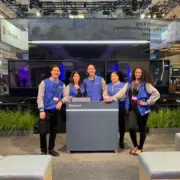
At the venue, prepared registration and wayfinding staff help carry the experience from your marketing into the event itself. A clear check-in process and a welcoming team set the tone for the day.
Build that coverage into your live event staffing plan.
Track Results and Improve Your Next Campaign
Review your promotion regularly so you can make informed adjustments.
Useful measures include:
- Visits to the registration page
- Completed registrations
- Registration sources
- Cost per registration for paid campaigns
- Attendance compared with registrations
- Attendee feedback
If people visit the page but do not register, review the event’s value, price, page clarity, and form. If registration is strong but attendance is lower than expected, examine your reminders and arrival or access instructions.
Use those findings to improve the next event.
Support Your Event with 360x Events & Promotions
Your marketing creates expectations. Your onsite team helps deliver the experience guests came for.
360x Events & Promotions provides event staff nationwide, including registration teams, wayfinding staff, brand ambassadors, hosts, and product specialists.
Request talent for your next event, and explore our guide to creating a memorable live event for more ways to welcome and engage your attendees.